“Ethiopian Fine Coffee Beans” search results (700)

Sun Sidamo Coffee producing area Manor introduces the processing methods and methods of fine coffee
The overall experience of this sun Sidamo is more suitable for those who like Ethiopian coffee but do not like the acidity, and it is also suitable for independent cafes. Ethiopia Sidamo Sidamo Coffee introduces Ethiopia as the birthplace of Arabica coffee. Wild Arabica grows in the forests of Ethiopia's Kaffa region. The history of Ethiopian coffee drinking is better than that of Ethiopians
2016-07-06 Solarization Dharma Coffee production area Manor introduction Fine goods treatment methods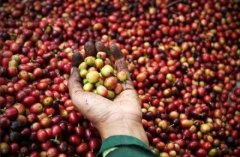
Introduction to the producing area of fine coffee beans in African producing countries
1. Ethiopian Ethiopia Ethiopian coffee is neither strong nor irritating. It is produced in Harald (Harrar), Yega Xuefei (Yirgacheffe), Sidamo (Sidamo), Limu (Limu), Djimmah (Djimmah), Lekempti (Kepa), Kapa and other places. Among them, Harald Coffee is the representative of Ethiopian Coffee.
2015-01-19 Boutique coffee beans Africa producing country origin introduction Ethiopia Ethi
Ethiopian Coffee Manor Flavor description Grinding degree Taste characteristics introduction of Fine Coffee Price in producing area
Ethiopia's geographical environment is very suitable for coffee growth. Coffee is mainly grown in the southern highlands between 1100 and 2300 meters above sea level. The main coffee producing areas are Harar, Limu, Djimma, Sidamo, Kaffa, Yergacheffe and Wellega. The soil drainage in these areas is good.
2016-10-09 Ethiopia coffee manor flavor description grinding taste characteristics producing area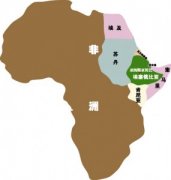
Ethiopian lemon-flavored queen Yejasuffi coffee beans
Coffee hometown Ethiopia lemon taste Queen Yegashafi Coffee beans 10:18 17 June in coffee beans, boutique coffee by DaDa0 comments 0 like to share Yega Xuefei produced from: Ethiopia Yirga cheffe is a small town in Ethiopia, 1700-2100 meters above sea level, is also synonymous with Ethiopian boutique coffee, here since ancient times
2014-09-18 Yega Sheffield coffee beans Ethiopia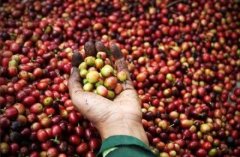
Introduction of African Fine Coffee Bean producing countries-- Ethiopian Yegashifi Coffee Sidamo Coffee
Ethiopia is an agricultural country with a history and tradition of coffee origin. The place where the name coffee comes from is Kafa in the southwest, while the Sidamo place in the south is the main producing area, and Yegashafi is one of the southern producing areas of Sidamo. The Eastern Highland Hara is as famous as the coffee name Hara. Ethiopia is an important coffee producer.
2016-03-25 Africa boutique coffee beans producing countries introduction Ethiopia Yega Sheffield coffee
Ethiopian Arabica coffee with rich body Original growing environment Fine coffee
The highest grades of washed Ethiopian coffee Yirgacheffe G1 G2 Sidamo are Grade 2 and Grade 3 (G2, G3), and the coffee processed in the sun in eastern Ethiopia is mostly Grade 4 or Grade 5 (G4, G5). In many cases, fourth-grade coffee is labeled as five-grade in order to reduce taxes. Now the classification is not very uniform, some chaos, because there are sun processing
2016-08-19 thickness richness ethiopia rabbi coffee origin flavor cultivation environment
Unique fragrant Ethiopian Coffee Manor Flavor and Taste characteristics of Fine Coffee beans
In addition, it should be mentioned that most of them are produced by state-owned institutions, but the quantity is small and is not well known to the world. Teppi and Bebeka;Teppi, which are lightly described here, grow at an altitude of 3600-6200 feet, with an annual yield of about 50000 bagsamp60kg. Bebeka grows between 3000 and 3900 feet above sea level, with an annual output of about 30000bags/60kg, both of which are located in the lower parts of southwest Ethiopia.
2016-08-15 Unique fragrant Ethiopia coffee manor producing area flavor taste characteristics
Sweet and lovely Ethiopian Coffee introduced varieties Fine Coffee beans Flavor and Taste producing area
This kind of coffee grows in areas ranging from 1400 to 1800 meters above sea level. This kind of coffee is natural or sun-cured; it is weakly moderately acidic, the fruit is full, and the average quality is good; the smell is fragrant and mellow; one drop in the mouth, endless aftertaste. It is estimated that out of 127000 hectares of cultivated area, the average annual production of this coffee is 70000 tons (equivalent to 1.17 million bags of 60 kg coffee). Earl.
2016-09-23 Sweet human Ethiopia coffee introduction variety boutique coffee beans flavor
Rich texture Ethiopian Coffee Flavor Taste introduction to Fine Coffee in Manor area
In December 1994, the Constitution of the Federal Democratic Republic of Ethiopia was formulated. According to the Constitution, Ethiopia will implement a federal system and a parliamentary cabinet system after the general election for a term of five years. After the national election in May 1995, the Federal Democratic Republic of Ethiopia was established on August 22, and Meles became prime minister in her capacity as chairman of the majority party of the people's House of Representatives. On May 14, 2000, Ethiopia held a national meeting
2016-09-02 Thick textured Ethiopian coffee flavor taste manor producing area characteristics
Detailed Analysis of four cultivation Systems of Ethiopian Fine Coffee
According to the following four different modes of production, Ethiopian coffee can be divided into nine major coffee producing areas, including five boutique coffee areas: Sidamo, Yegashefi, Harald, Lim and Lekampidi, and four general commercial bean producing areas: Gemma, Irugbagbo, Tibby and Bekaa. The sun or water washing methods are used in each district, and different treatment methods also affect the flavor.
2015-11-27 Ethiopia boutique coffee big four cultivation system detail analysis
Introduction to the Manor characteristics of Ethiopian Coffee Flavor varieties and Fine Coffee Bean producing areas
In September 1974, a group of young officers formed the Coordination Committee of the Army, the Police and the Local Army (DERGUE, meaning SHADOW, and later generally referred to as the junta and the Mengistu regime) launched a military coup to overthrow the government of Haile Selassie and announced the end of monarchy and the establishment of an interim junta. In November, the interim military junta was changed to the interim military Administrative Council. In December, interim military administration
2016-09-23 Ethiopia coffee flavor variety boutique coffee beans producing areas manors characteristics
Koke Cook Cooperative Ethiopian Coffee Cooperative Fine Coffee
Annual output of raw coffee beans: 457000 kg average farm size: maximum 4 hectares, annual yield of about 699kg per hectare all treatment equipment certificate: Fair Trade Fair Trade, Organic Organic Coffee Koke Cook Cooperative (1750-2300 m) producing areas: Gedeo- Yega Xuefei members: 828people Land attribute: red brown soil can provide a group of treatments
2016-07-23 Koke Cook Cooperative Ethel Searle Biya Coffee boutique
Introduction of original varieties of Ethiopian Sidamo Coffee
This Ethiopian variety is the local native species Heirloom. As an ancient high-quality coffee variety in Ethiopia, the native species always show a unique style in various Ethiopian producing areas! Interestingly, compared with the usual Ethiopian coffee beans, this raw bean is really mediocre in appearance, but its flavor in the cup is really fine.
2016-06-30 Ethiopia Dharma coffee native variety introduction boutique this
Soft acidity Ethiopian coffee estate producing area Flavor Taste characteristics Fine coffee beans Introduction
In February 1977, Lieutenant Colonel Mengistu Haile Mariam launched a military coup and served as Chairman of the Provisional Military Administrative Council and Head of State. In 1979, the Organization Committee of the Ethiopian Working People's Party, dominated by military personnel, was established to implement a one-party system. In 1984, the Ethiopian Workers 'Party was formed on the model of the Communist Party of the Soviet Union. Mengistu, September 1987
2016-08-16 acidity softness ethiopia coffee estate appellation flavor taste characteristics
Delicious Ethiopian Sidamo Coffee Fine Sidamo Coffee beans
The Sidamo producing area, which is 1400-2200 meters above sea level, is a famous boutique coffee area in southern Ethiopia, bordering Kenya. The washed Sidamo is light green, the beans are small, the growth is oval, the fruit is full, the average quality is good, the smell is fragrant and mellow, a drop of entrance, endless aftertaste, with wild beauty. The coffee in Sidamo has a very diverse flavor and different soil.
2016-04-30 Delicious Ethiopia Dharma Coffee Missy Coffee beans Sidam
Flavor and taste characteristics of moderately acidic Ethiopian coffee manor introduction to fine coffee beans
Ethiopia is located at 6 ~ 9 degrees north latitude and 34 ~ 40 degrees east longitude. It is located in the center of the Horn of Africa and is a landlocked country. It is bordered by Djibouti and Somalia to the east, Sudan to the northwest, Eritrea to the north and Kenya to the south. [5] there are mainly mountain plateaus in Ethiopia, and most of them belong to the Ethiopian plateau. The central and western regions are the main body of the plateau, accounting for the whole territory.
2016-08-15 Acid medium Ethiopia coffee manor producing area flavor taste characteristics
Fine coffee beans: 4 forms of Ethiopian coffee growing and producing
Growth and production patterns: There are four growth and production patterns in Ethiopia, from which 95% of coffee is produced. 1. Forest In Ethiopia's coffee-producing areas in the south and south-west, most of them are wild or planted under natural forests, which provide natural shade for coffee trees, but the resistance is slightly weak. This production system accounts for about
2015-12-07 boutique coffee beans esoteric bea coffee growing production 4 species morphology
Sun Coffee Ethiopian Coffee introduction Fine Coffee beans Yega Snow Coffee Gediyo Eastern Highland Mountains
Due to different planting methods, coffee can be divided into three types: forest-semi-forest coffee (Forest or semi-forest coffee), courtyard coffee (Garden coffee) and plantation coffee (Plantation coffee). 60% of the coffee belongs to forest-semi-forest coffee. In such a wild coffee forest, pesticides are not used at all, but biological methods are used to control pests. thirty-five
2016-07-06 Sun Coffee Ethiopia introduction Fine goods Coffee beans Yega Snow Coffee Ge
Sun Coffee Ethiopian Coffee introduction Fine Coffee beans Yega Snow Coffee Gediyo Eastern Highland Mountains
Due to different planting methods, coffee can be divided into three types: forest-semi-forest coffee (Forest or semi-forest coffee), courtyard coffee (Garden coffee) and plantation coffee (Plantation coffee). 60% of the coffee belongs to forest-semi-forest coffee. In such a wild coffee forest, pesticides are not used at all, but biological methods are used to control pests. thirty-five
2016-07-06 Sun Coffee Ethiopia introduction Fine goods Coffee beans Yega Snow Coffee Ge
Introduction to the sweet and lovely sun-tanned Yega Shifeiwaka coffee varieties and fine coffee beans in the producing area
Although the Ethiopian Yirgacheffe coffee is petite, it is gentle and delicate and sweet. As the hometown of coffee, thousands of years of planting history and processing tradition in Ethiopia have created high-quality washed Arabica beans. Light baking has unique sweet aromas of lemon, flowers and honey, soft acidity and citrus flavors, fresh and bright on the palate. No.
2016-09-24 Sweet Human Sun Yega Sheffield Wauka Coffee Variety producing area Fine goods